The End of the Sex Symbol
Pamela Anderson, Brigitte Bardot, Marilyn Monroe, and the evolution of the sex symbol

There was a time when the world seemed to agree on what desire looked like. She was blonde, luminous, soft at the edges and somehow unreachable even in full view. Her image traveled faster than her humanity ever could, circulating through screens, magazines, and headlines until it no longer seemed to belong to any one person. She was not merely beautiful. She was symbolic. She stood in for something larger: freedom, sex, innocence, danger, availability, glamour, escape. She was less a woman than a national projection.
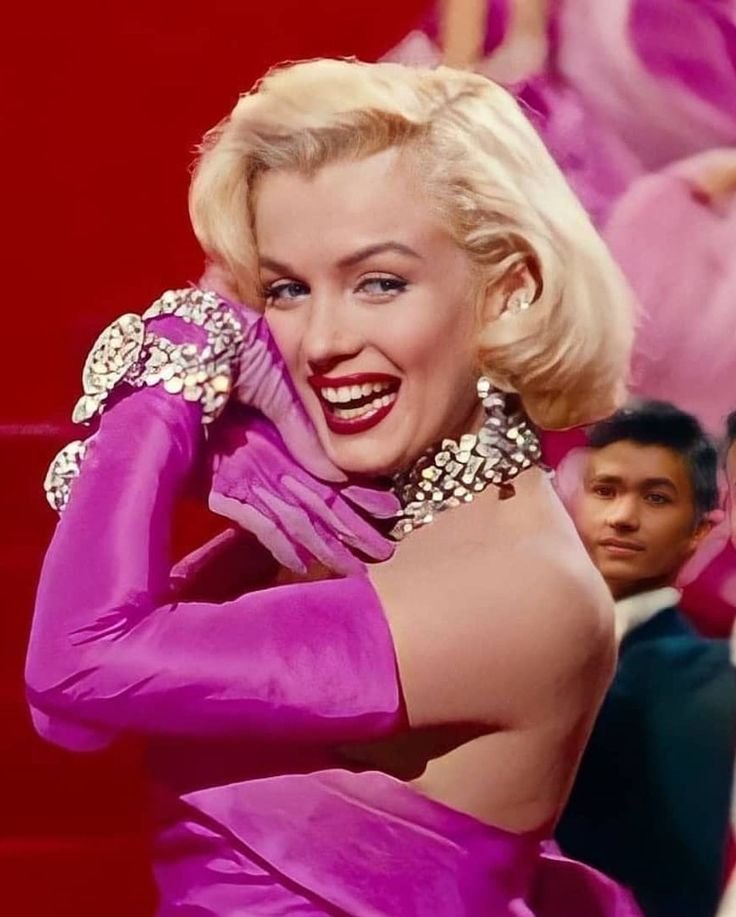
We called her a sex symbol — an image that can be repeated, consumed, and widely agreed upon. It turns femininity into iconography. It removes contradiction. It edits out boredom, interiority, ambivalence, intellect, grief, the ordinary textures that make a life inhabitable from within. The sex symbol must remain legible.
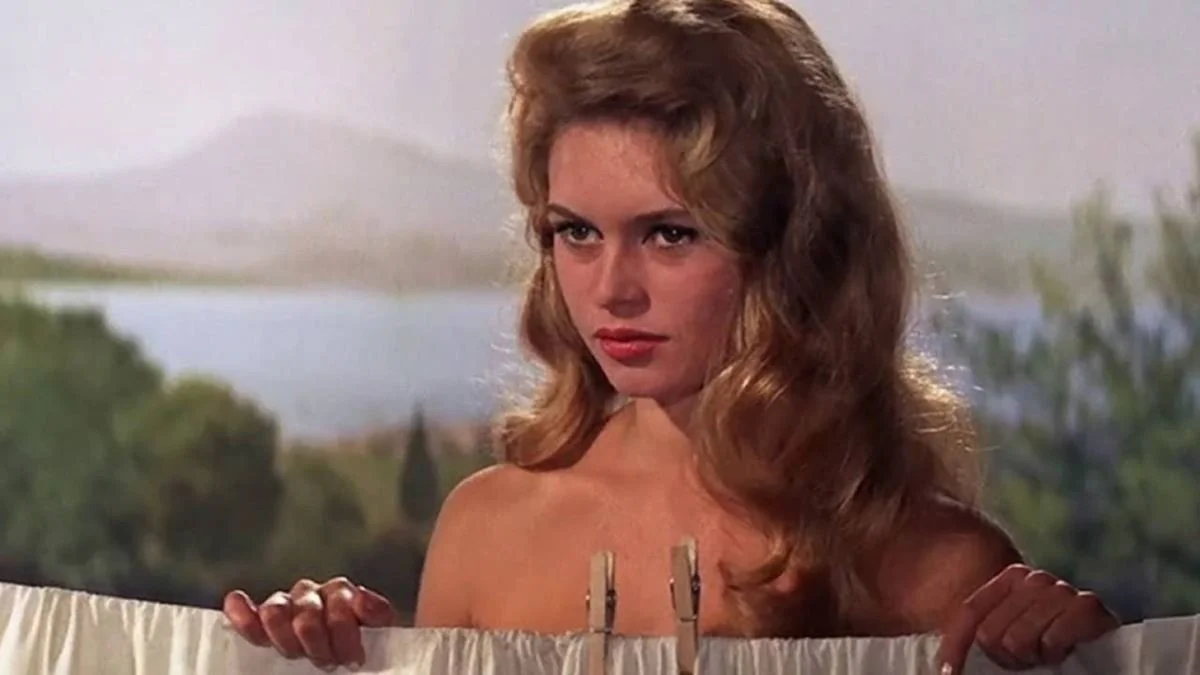
Few women embodied this role more completely, in their respective eras, than Marilyn Monroe, Brigitte Bardot, and Pamela Anderson. To place them side by side is not to collapse their differences. Their temperaments, circumstances, and endings are not the same. But together they reveal something haunting about the life cycle of a certain kind of feminine myth. Monroe gave the archetype its most distilled American tragedy. Bardot exposed its limits through refusal. Pamela, decades later, has done something quieter and perhaps more surprising: she has stepped out of the fantasy without rage, without spectacle, and without apology.

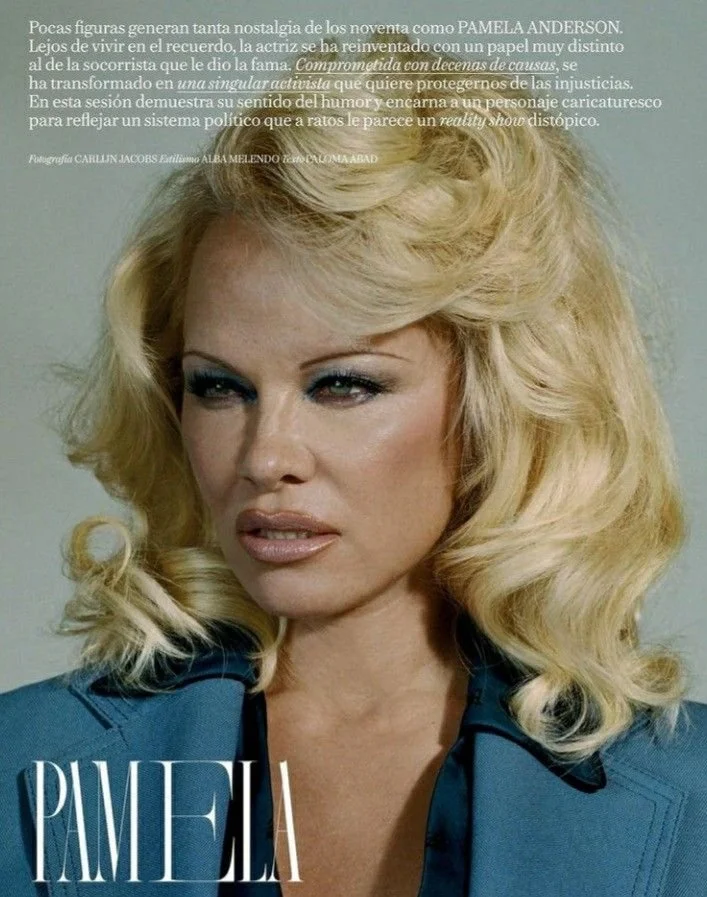
If Marilyn shows us what happens when the image consumes the woman, and Bardot what it looks like to reject the image entirely, Pamela offers a third possibility.

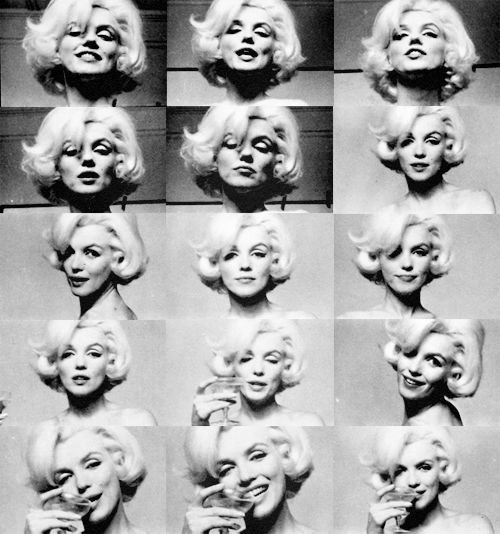
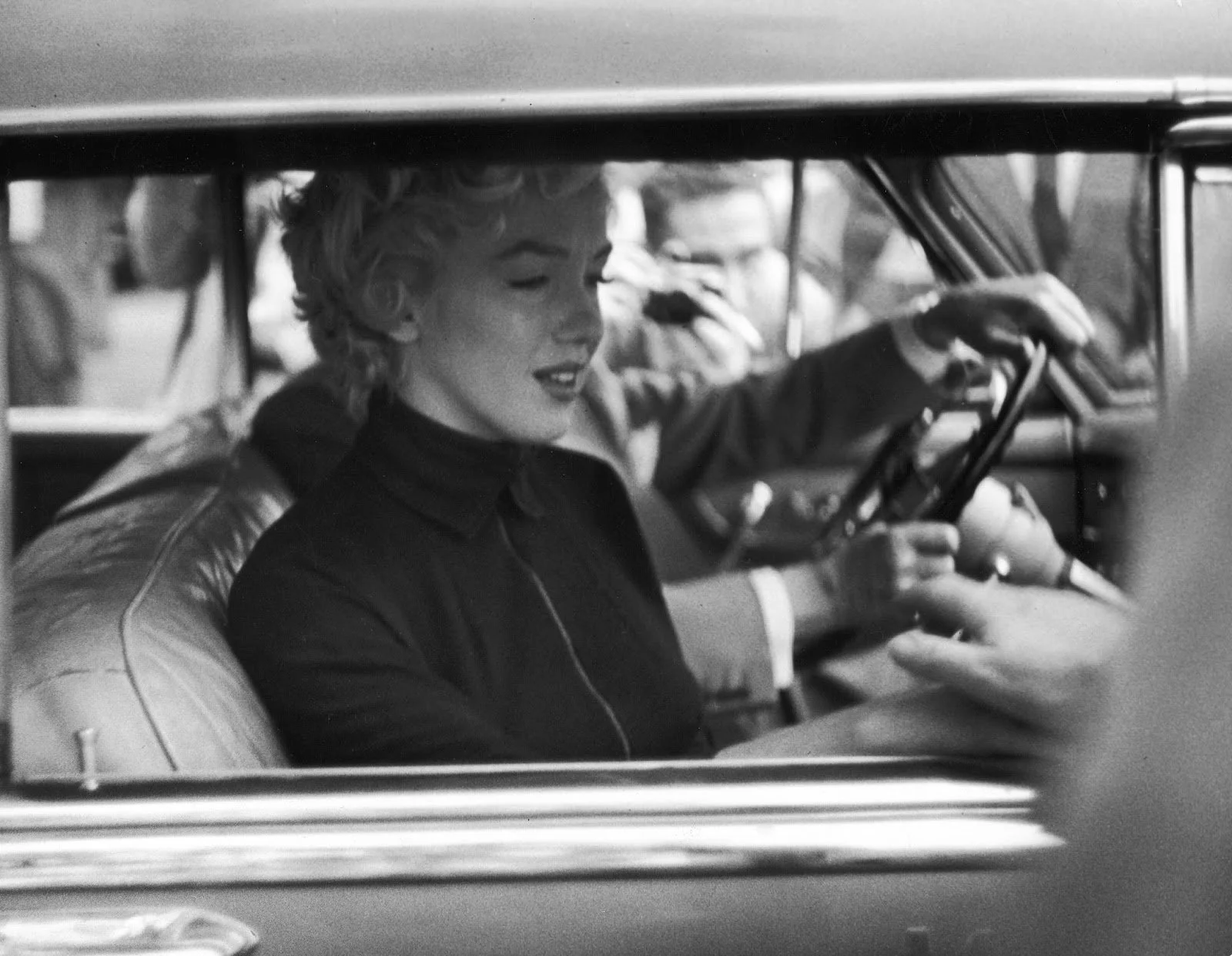
Marilyn remains the foundational ghost in this lineage because she seemed to understand, even while living inside the machinery of her own myth, that the image was never the whole story. Her public persona was so perfected that it became nearly impossible for the culture to imagine depth behind it. Breathy, radiant, vulnerable, erotic, childlike and knowing at once, she became the most concentrated version of masculine fantasy ever exported by Hollywood. But the tragedy of Monroe is not only that she was objectified; it is that she was perceptive enough to know she was being objectified, and ambitious enough to want something beyond it. She wanted to be taken seriously, to develop, to exceed the frame that made her profitable. Yet the image of Marilyn was so economically and psychologically useful to the world that it kept pulling her back toward itself. She could not outgrow the symbol and what people needed her to represent.
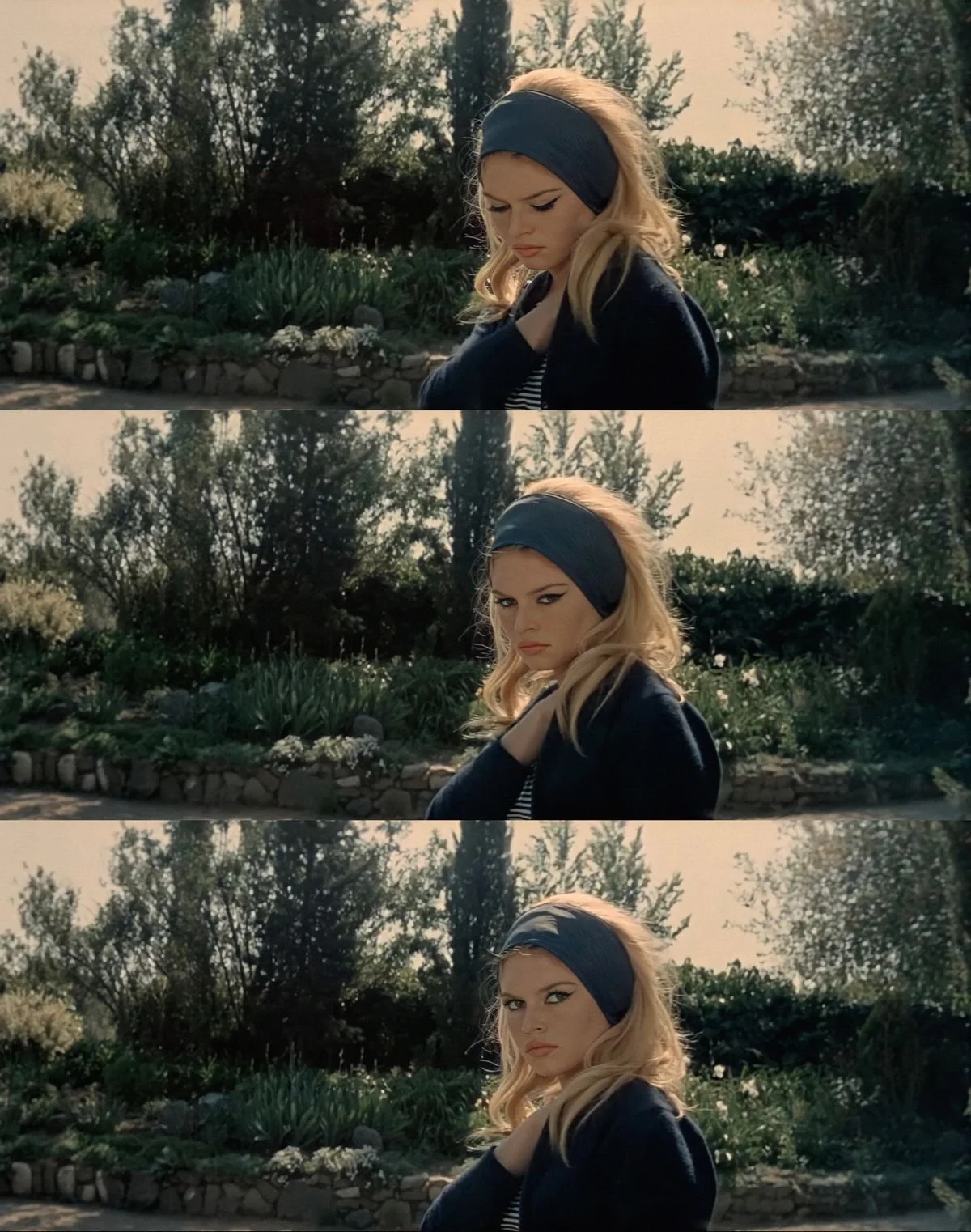
By the time Brigitte Bardot arrived, Europe had found its own answer to this mythology, one that felt looser, more insolent, more overtly modern. Bardot was not packaged in quite the same register as Marilyn. If Marilyn was polished vulnerability, Bardot was instinct. She seemed less sculpted than unleashed, less tragic than unruly. Her sensuality carried a feral charge, as though she belonged more to appetite than to decorum. She represented a new kind of woman for postwar culture: sexually autonomous, animal, sunlit, unconcerned with propriety. And yet her liberation, too, was framed within a gaze that preferred her as image rather than subject. What looked like freedom from the outside often masks another form of capture. The woman who appears to embody liberated desire can still be trapped by the public’s insistence on reading her through desire alone.
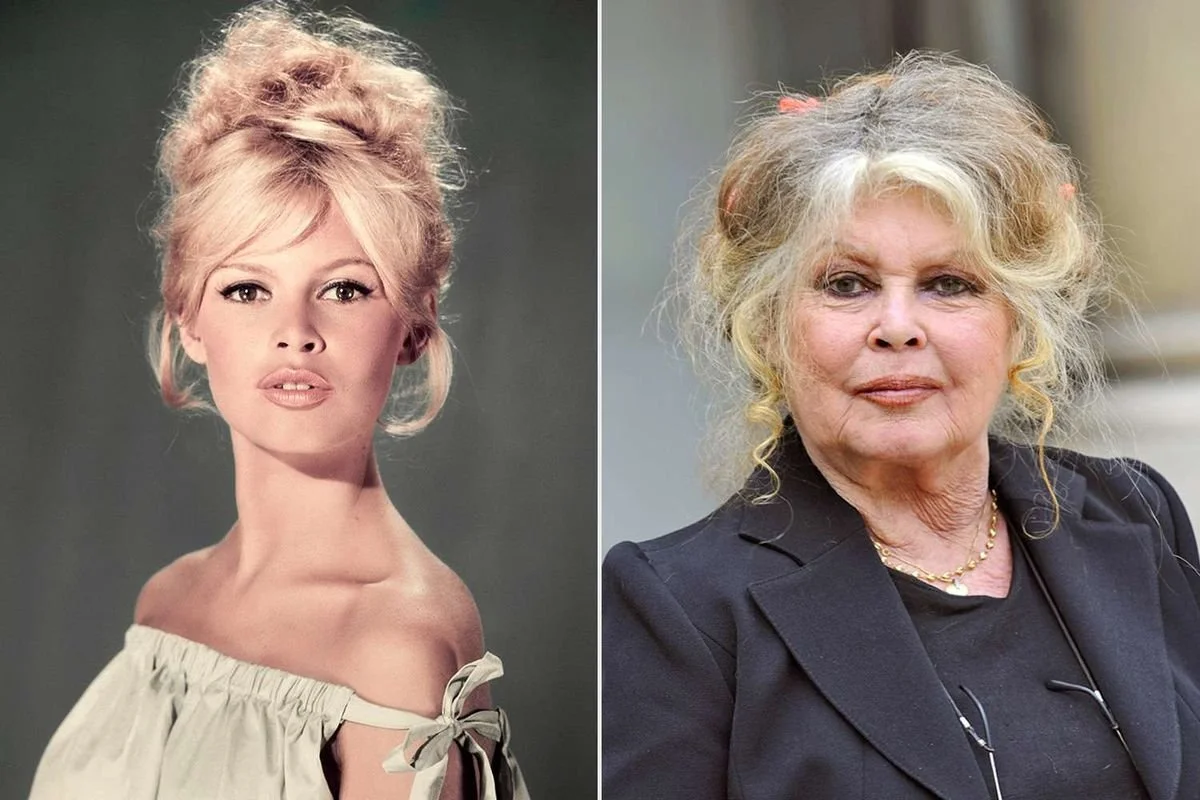
What makes Bardot so compelling in this lineage is not simply what she was in her youth, but how little interest she later seemed to have in preserving that version of herself for public comfort. The culture has many rituals for helping beautiful women age acceptably. It offers them softer lighting, strategic silence, better work, better surgeons, a language of gracefulness that is often just another demand to remain pleasing. Bardot did not seem especially interested in any of that. She withdrew. She let herself become harder to consume. She did not perform continuity for those who wished to believe that desire, once attached to a face, should be tenderly maintained forever. There is something radical in that indifference. She did not merely age; she ceased collaborating with the expectation that her body should continue to reassure the public with its visual availability.
Pamela Anderson belongs to a later media landscape, one far more aggressive in its circulation, repetition, and commodification of feminine image. If Monroe belonged to Hollywood and Bardot to cinema and European scandal, Pamela belonged to the age of broadcast saturation. She was not simply famous; she was endlessly reproducible. The red swimsuit, the platinum hair, the hyper-feminized silhouette, the Playboy covers, the television ubiquity of the 1990s—her image was built for instant recognition. She became the cheerful, high-gloss democratization of the bombshell, an image so familiar it almost ceased to register as constructed. Yet perhaps because her fame unfolded in a more tabloid era, the violence done to the boundary between the public and the private became impossible to ignore. Her image was not only consumed; it was exploited, stolen, turned against her.

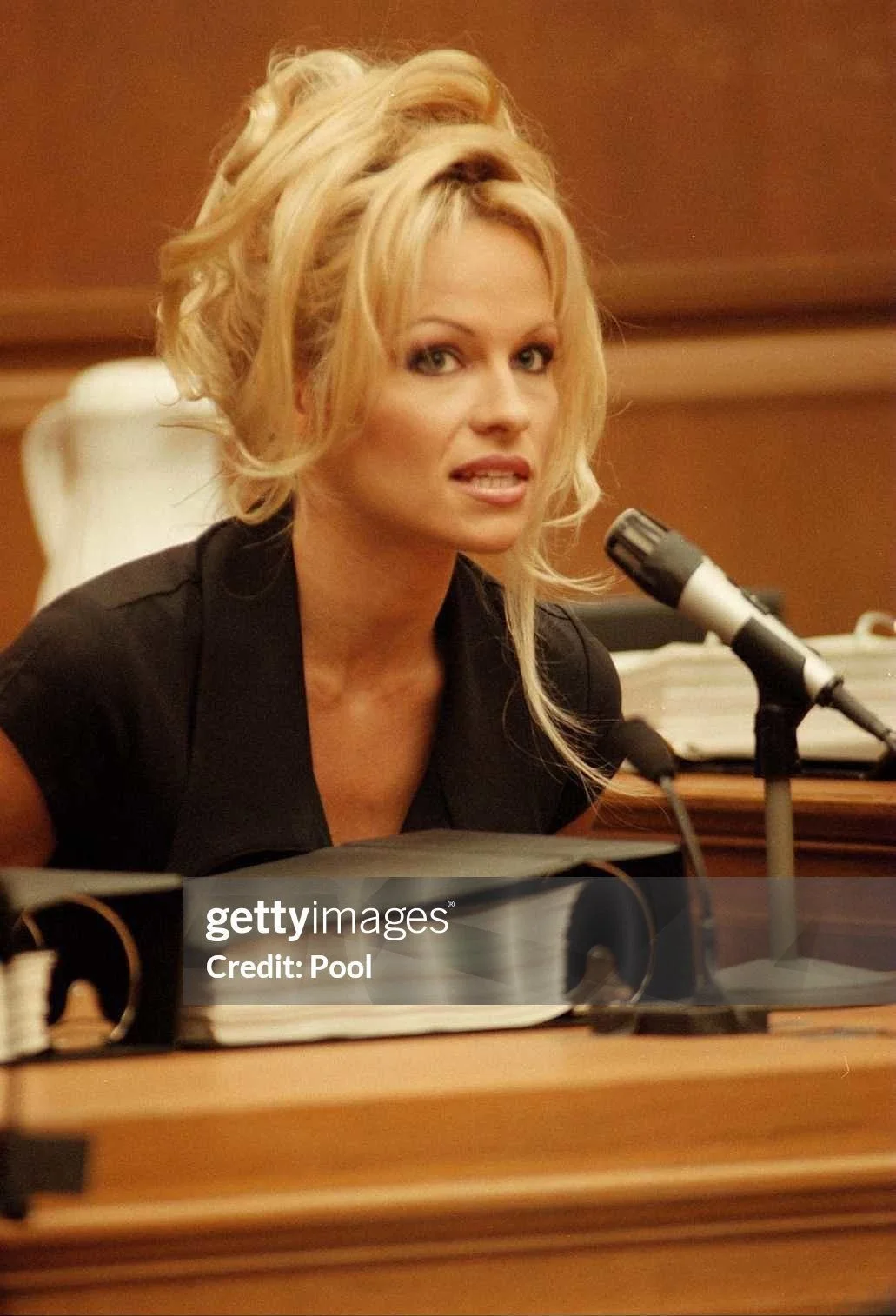
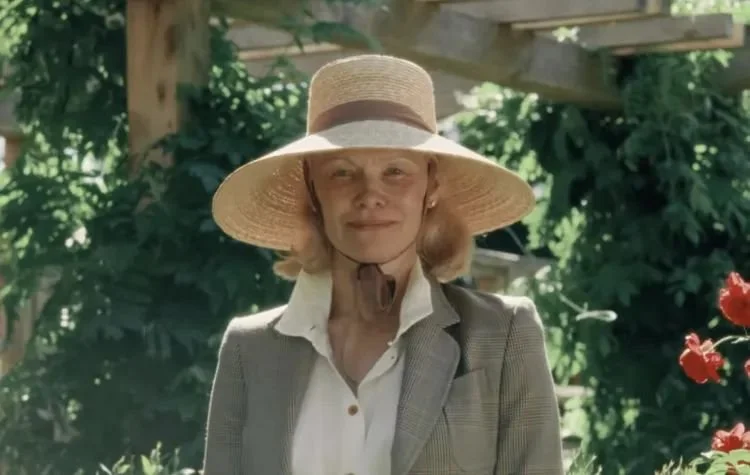
And still, what is most interesting about Pamela Anderson now is not the spectacle of what happened to her then, but the terms of her re-entry into public life. There is no grand vengeance in it, no manifesto, no didactic reinvention. There is just a woman who appears to have grown tired of participating in the production of herself as fantasy. The recent fascination with her makeup-free face says as much about the culture as it does about Pamela. Why should the sight of a woman arriving unpainted feel revolutionary unless we have become so accustomed to the maintenance of femininity that any pause in the performance reads as an event? What Pamela seems to understand is that after a certain point, power may lie not in intensifying the image but in loosening it. Her present-day persona—domestic, soft, literary, natural, reflective—does not erase her past. It simply stops treating that past as the only legible version of her.

This is why her evolution feels so resonant. She has not attempted to destroy the bombshell, nor to deny that she once occupied that role. She has done something subtler. She has relocated value away from spectacle and toward essence. In place of seduction, there is serenity. In place of high maintenance glamour, there is openness. In place of the polished fantasy, there is a face, a garden, a kitchen, a certain kind of slowness. The shift is not only aesthetic. It is metaphysical. It suggests that beauty might survive its own demystification, and that a woman need not remain an instrument of desire in order to remain compelling.
The common thread linking these women is not simply beauty, nor fame, nor blondness, nor the male gaze. It is the strange burden of being turned into a shorthand for desire itself. Once a woman becomes symbolic in this way, the culture begins to treat her as a surface on which everyone else’s longings can be projected. She no longer gets to be inconsistent without consequence. She no longer gets to retreat without interpretation. If she softens, it means something. If she gains weight, it means something. If she ages, if she disappears, if she returns with less armor on, all of it becomes publicly decoded. The sex symbol is never allowed to simply change. She is always being read.

And yet what is most moving about this lineage is that, in different ways, all three women point toward the exhaustion of the archetype. Marilyn reveals its cruelty. Bardot reveals its falseness. Pamela reveals its possible transcendence. Together they tell the story of a figure the culture long mistook for timeless, when in fact she was always unstable. The sex symbol cannot sustain a full human life because she is built for projection, not habitation. Eventually the woman must either remain in service to the image or begin the work of returning to herself.

That return looks different in every case. For Marilyn, it remained painfully incomplete, which is part of why her image still feels suspended in amber, eternally available for reinterpretation because she was never allowed the long, ordinary afterlife of becoming fully other than what she represented. For Bardot, the return took the shape of refusal, hard and definitive. For Pamela, it has taken the shape of soft reclamation, a withdrawal from performance that does not feel bitter so much as clear. She has not vanished. She has simply changed the terms of visibility.

Perhaps that is the real evolution here. Not from beauty to its loss, as the culture so often narrates the lives of women, but from being seen to seeing oneself; from being consumed to becoming undisturbed; from existing as a fantasy to inhabiting a life. The final act is not disappearance. It is authorship. It is the slow, elegant, and deeply unfashionable refusal to preserve the image at the expense of the self.

For decades, the sex symbol was presented as the pinnacle of feminine power. But these women suggest something else. The true transformation begins not when a woman perfects the fantasy, but when she no longer needs to collaborate with it. What remains after that is far less marketable, far less convenient, and infinitely more interesting. Not the bombshell. Not the myth. Not even the icon. Just the woman, at last beyond the image, no longer asking to be desired, and no longer organized around being seen.