On Broke Boy Propaganda and the New Romcom

Lucy (Dakota Johnson) is a professional matchmaker in New York City, constantly quantifying people by their “market value.” In her own private life, she stands between two men — a unicorn millionaire (Pedro Pascal) and her broke struggling actor ex (Chris Evans).
The film shows a culture that appraises partners like assets and investment portfolios, yet affirms love as something irreducible. Some have called it broke boy propaganda for romanticizing choosing love over money in a way that’s naive in today’s economy, while others argue it’s an anti-capitalist rom-com that tries to show how dating has become a marketplace.
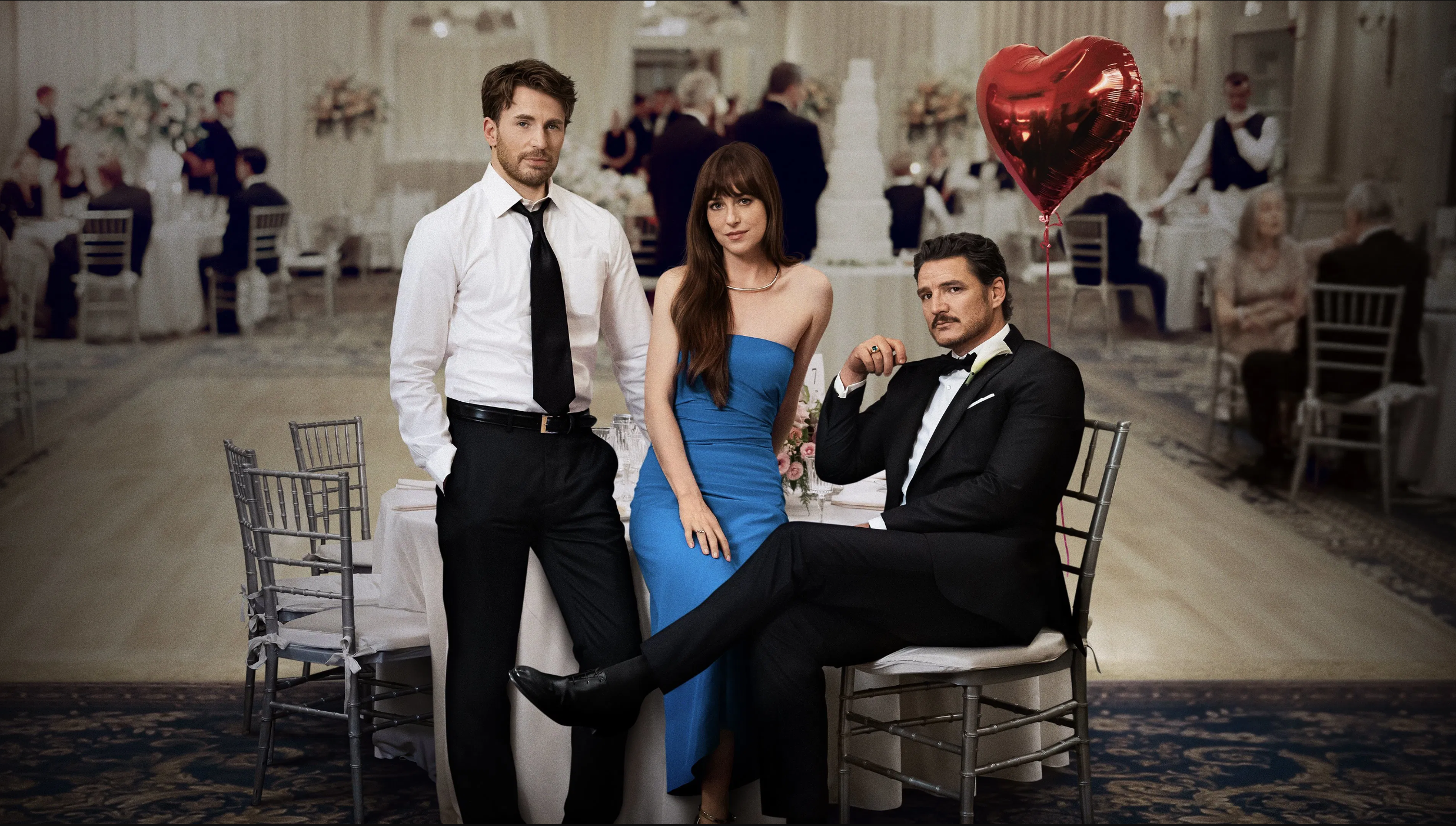
If broke boy propaganda says “Love is all that matters,” its polar opposite gold-digger propaganda says “Love is a luxury.” These binaries we inherited perpetuate an either/or narrative leaving us unsatisfied and hungry for more — or rather for something else.
What if, somewhere beyond adolescent romance and soul-less stability was a third option that would reconcile romance with reality, once and for all putting an end to the divide between our heart and mind?
The story would no longer be about which one we pick or sacrifice, but about the person we must become to find the high value romance. It would confront us with our own romantic propaganda, inviting us to retire old scripts and upgrade them with fresh, new ones.

Romcoms, as an industry genre, are built on misalignment, immaturity, and delay. Their engine is insecurity: missed calls, mixed signals, emotional confusion, performative banter, and the fantasy that love arrives before orientation.
High value romance has something romcoms cannot metabolize: the protagonists are already oriented. They know who they are. They are not confused about love or purpose. They do not play emotional games. They move toward commitment without irony.
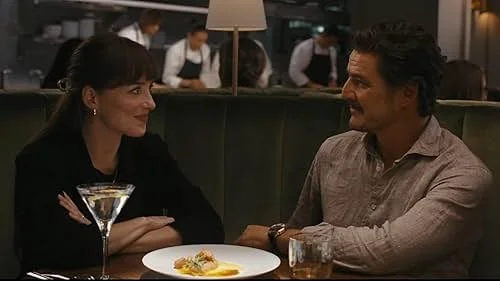
Rom-coms require the man and the woman to learn responsibility through romance. Take that out and it removes the genre’s primary source of tension. And while there is no lack of high-value romance in cinema, there is a lack of high value romcoms. It’s like the modern rom-com has no language for them — yet.
The New Romcom may well be the new frontier of the genre.